


News
·Planning an automatic car wash starts with one practical question:
What is the minimum space for automatic car wash? Whether you are comparing wash options for a small property, evaluating service convenience, or simply curious about how these systems work, space requirements can affect equipment choice, vehicle flow, water usage, and cleaning performance. In this guide, we’ll break down the key dimensions, layout factors, and site considerations that determine how much room an automatic car wash really needs.
Space is not only about fitting machines into a bay. It also determines how safely vehicles enter, how detergent is applied, how rinse water drains, and how consistently the wash result meets expectations.
Understanding the Minimum Space for Automatic Car Wash Systems
For most consumer-facing automatic wash setups, the practical minimum depends on whether the system is in-bay automatic, rollover, tunnel, or compact touchless. Each format uses space differently.
When people ask, “What is the minimum space for automatic car wash?”, the shortest answer is usually 1 bay plus safe approach and exit areas. The better answer includes equipment clearance, detergent storage, drainage, and vehicle turning radius.
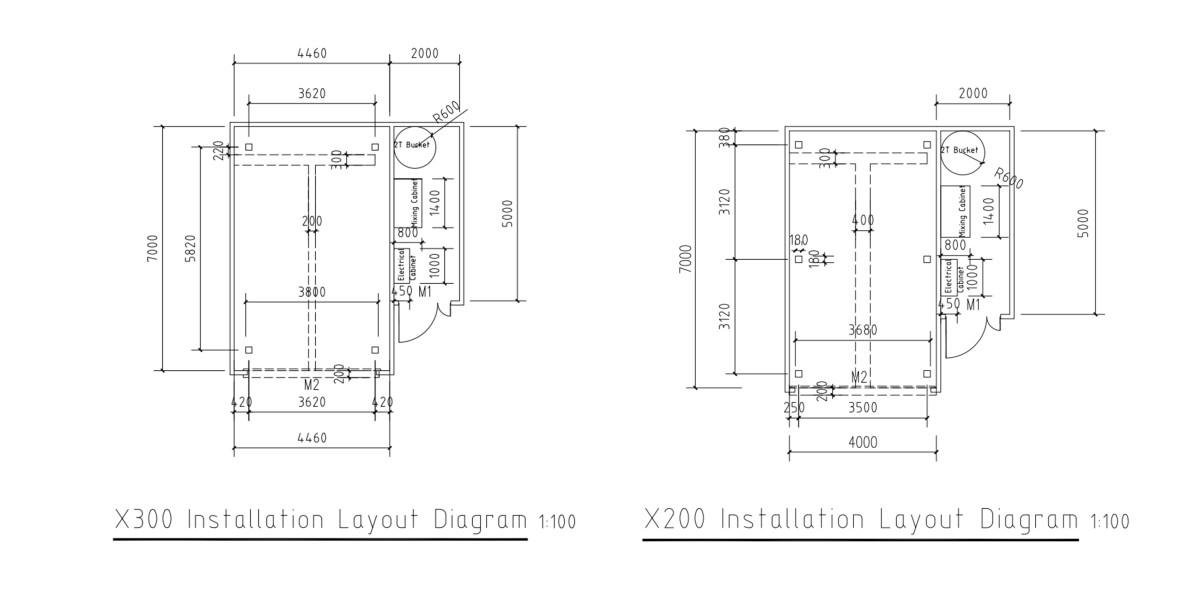
What is our Machine's Space Size?
Different models have different requirements for the venue.
For our machines, products with 6 fans require a larger field size.
The key conclusion is that the equipment bay is only one part of the answer. A compact system may fit in under 38 ㎡, but safe operation often requires more usable site area.
Why the Minimum Is Not Always the Best Choice
A minimum layout can work, but it leaves little tolerance for larger SUVs, queue overflow, chemical handling, or seasonal maintenance. A 5–10 ft buffer can prevent daily bottlenecks.
From a cleaning agent perspective, cramped spaces also reduce control. Detergent lines may be harder to inspect, drums may be moved too often, and spill containment may be overlooked.
Key Dimensions That Affect Vehicle Flow and Cleaning Performance
The minimum space for automatic car wash planning should include four zones: entry, wash bay, equipment and chemical area, and exit. Each zone affects customer convenience and wash quality.
1. Entry and Alignment Zone
Vehicles need enough distance to align before entering the bay. A short entry lane can cause tire guide mistakes, uneven detergent coverage, and slower transaction times.
For small sites, allow at least 25–40 ft of straight approach where possible. If vehicles turn sharply into the bay, wider lanes and clearer signage become more important.
2. Wash Bay Clearance
A typical passenger vehicle needs more than its physical size. Mirrors, roof racks, open drainage grates, brushes, nozzles, and sensor arms all require clearance.
Many systems are designed around vehicles up to 7 ft tall and 7–8 ft wide. Sites serving vans or lifted trucks may need higher doors and longer detection zones.
3. Chemical Storage and Detergent Dosing Area
Cleaning agents are central to wash performance. Even a compact wash needs space for pre-soak, alkaline detergent, acidic wheel cleaner, foam conditioner, wax, and drying aid.
A small utility corner of 30–80 square feet may be enough for low-volume operations. Higher-volume sites often require a dedicated room with spill trays and ventilation.
- Keep chemical containers off traffic paths and away from direct vehicle splash zones.
- Label each detergent line to prevent acidic and alkaline products from being mixed accidentally.
- Allow 12–18 inches around pumps and drums for inspection, priming, and replacement.
- Plan storage for at least 7–14 days of normal chemical consumption.
4. Exit and Drying Zone
The exit area is often underestimated. Vehicles need a safe distance to leave the bay, check mirrors, and merge back into the property flow.
If dryers are included, add enough length for air movement and customer reaction time. A 25–40 ft exit zone improves safety and reduces water tracking.
How Detergents Influence Space Planning
In the cleaning agent industry, space planning is closely linked to chemistry. Detergent dwell time, dilution accuracy, water quality, and rinse distance can change the final result.
A touchless wash, for example, may need stronger chemical sequencing because there is no brush contact. That can increase the number of product lines from 3 to 6 or more.
Detergent Dwell Time and Bay Length
Pre-soak detergents often need 30–90 seconds of dwell time to loosen road film. If the bay is too short, the system may rush the application or rinse too early.
This is one reason the question “What is the minimum space for automatic car wash?” cannot be answered by equipment size alone. Cleaning chemistry needs time as well as distance.
Water Quality, Drainage, and Chemical Efficiency
Hard water can reduce detergent performance and leave mineral spots. Many sites add softeners, reverse osmosis rinse, or water reclaim equipment, each needing extra floor area.
Drainage slope is also important. A common target is about 1%–2% slope toward approved drains, helping detergents and rinse water move away from vehicle tires.
Storage safety for consumer-facing sites
Customers rarely see detergent rooms, but they benefit from them. Organized storage reduces dosing errors, prevents product contamination, and supports consistent foam, gloss, and drying performance.
Site Layout Checklist for Small Properties
Small properties can still support automatic washing if the layout is disciplined. The goal is to separate customers, vehicles, utilities, chemical handling, and maintenance access.
Before choosing equipment, evaluate the site in at least 6 areas: traffic flow, drainage, water supply, electrical access, detergent storage, and local permitting requirements.
A Consumer-Friendly Planning Checklist
Use the following checklist to compare sites or understand why one automatic car wash feels smoother, cleaner, and safer than another.
This table shows that space planning is not just architectural. A few extra feet can protect chemical consistency, reduce maintenance time, and improve the customer’s visible result.
Common Mistakes on Tight Sites
The first mistake is measuring only the machine footprint. A bay may fit, while the queue, payment point, chemical storage, and maintenance path do not.
The second mistake is ignoring drainage. Poor drainage can dilute detergents, leave slippery residue, and make the wash area look dirty after only a few operating days.
The third mistake is storing products wherever space is available. Detergents should be organized by product type, container size, compatibility, and refill frequency.
Choosing the Right Automatic Wash for Your Available Space
If your available area is limited, start with the service goal. Do you need a fast exterior wash, a premium touchless result, or a simple convenience option?
A compact in-bay system may be suitable for smaller properties, while a tunnel wash needs more land but can handle higher volume and more chemical stages.
Match Equipment to Expected Vehicle Volume
A low-volume location may wash 20–60 cars per day, while a busy site may process several times that number. Higher volume increases detergent storage and refill needs.
For consumers, this matters because overloaded sites often show inconsistent foam, weak wheel cleaning, or longer waiting times. Space supports reliability as much as convenience.
Consider Chemical Program Complexity
A basic wash may use 3–4 liquid products. A premium program may use 6–10, including bug remover, triple foam, ceramic-style protectant, and drying enhancer.
More products require more organized storage, clearer labeling, and better dosing control. Without enough space, operators may simplify chemistry and reduce visible wash quality.
- Measure the usable building area, not just the property boundary.
- Confirm vehicle path with the largest expected vehicle type.
- Reserve utility space before final equipment selection.
- Plan chemical storage for routine usage plus emergency stock.
- Check water, drainage, and electrical capacity before installation.
When a compact layout makes sense
A compact layout is reasonable when customer volume is moderate, vehicle types are predictable, and the operator uses well-matched detergents with reliable dilution equipment.
Maintenance, Safety, and Long-Term Operating Space
The answer to “What is the minimum space for automatic car wash?” should include long-term service access. Maintenance space prevents small problems from becoming expensive downtime.
Chemical injectors, pumps, filters, nozzles, reclaim tanks, dryers, and sensors all need routine checks. Some items require weekly inspection, while others need monthly calibration.
Routine Cleaning Agent Checks
Detergent systems should be checked for leaks, crystallization, blocked tips, incorrect dilution, and empty containers. A 10-minute inspection can prevent poor foam or incomplete rinsing.
Product concentration should be adjusted for season, soil load, and water hardness. Winter road salt may require stronger pre-soak or longer dwell than light summer dust.
- Daily: confirm chemical levels and visible foam consistency.
- Weekly: inspect injection lines, filters, and nozzle spray patterns.
- Monthly: verify dilution ratios and clean chemical metering components.
- Seasonally: adjust detergent program for temperature, salt, pollen, or mud.
Safety and Compliance Considerations
Chemical storage should follow product labels and local rules. Separate incompatible products, keep safety data sheets accessible, and avoid placing containers near customer walkways.
Good space planning also reduces slip hazards. Proper drainage, non-slip surfaces, and controlled overspray help keep both customers and staff safer during operation.
Frequently Asked Questions About Automatic Car Wash Space
Consumers and property owners often ask similar questions before choosing or evaluating an automatic wash. The answers below focus on practical layout and cleaning performance.
What is the minimum space for automatic car wash on a small lot?
A compact in-bay automatic wash may start around 16–18 ft wide and 35–45 ft long, but entry, exit, utilities, and detergent storage usually require more.
Can an automatic car wash fit into an existing garage bay?
Sometimes, but the bay must have enough height, drainage, water supply, electrical capacity, ventilation, and chemical handling space. Many ordinary garages need significant modification.
Does a touchless wash need more space?
It may need similar bay width but more process control. Touchless systems depend on accurate detergent application, dwell time, water pressure, and complete rinsing.
Why do detergents matter when planning space?
Detergents need safe storage, accurate dosing, and enough process time. If space is too tight, chemistry may be rushed, diluted incorrectly, or difficult to maintain.
Final Guidance for Planning a Smarter Wash Space
The minimum space for automatic car wash projects is not a single universal number. It depends on equipment type, traffic flow, vehicle size, drainage, utilities, and chemical program.
As a practical benchmark, allow about 18 ft of bay width, 50 ft of enclosed length, and 30–50 ft for approach and exit whenever possible.
For better wash quality, do not reduce the detergent area to an afterthought. Proper storage, dosing access, and maintenance clearance directly support clean panels, brighter wheels, and fewer streaks.
If you are comparing cleaning agent programs, planning a compact wash, or improving an existing site, review the layout before selecting products. For tailored detergent recommendations, chemical storage planning, or product details, contact us to get a customized solution.
Awesome! Share to:
Related Posts
- How Much Space Does an Automatic Car Wash Need?
- Adhering to craftsmanship and quality, we aim to bring our products to South America
- Docking with Southeast Asia | Malaysian customers visit factory to inspect equipment
- Reasonably control the opening budget and select complete sets of car washing equipment
- When Is a Touchless Car Wash Machine the Better Choice for Commercial Sites?
Providing you with integrated sanding solutions
24/7 before-sales and after-sales services
Comprehensive technical support